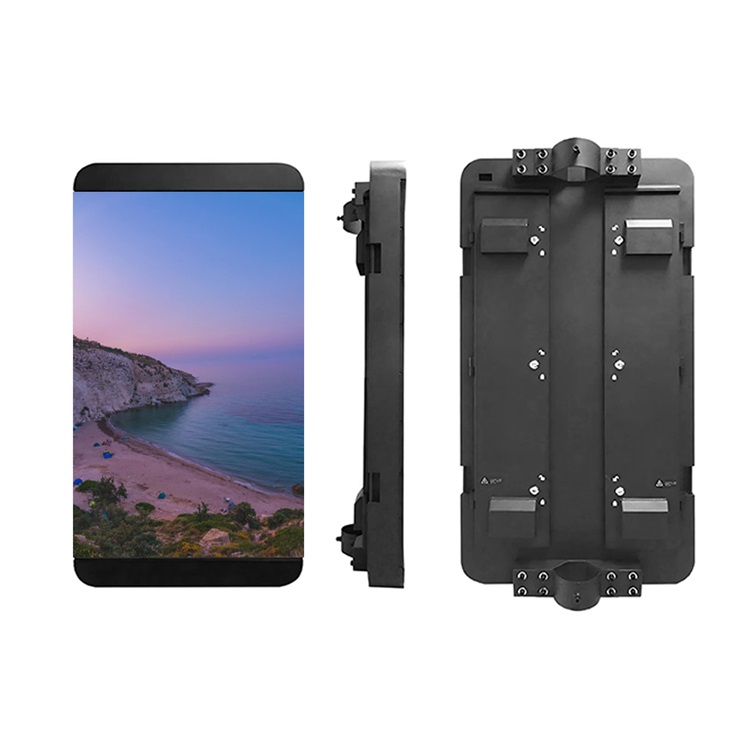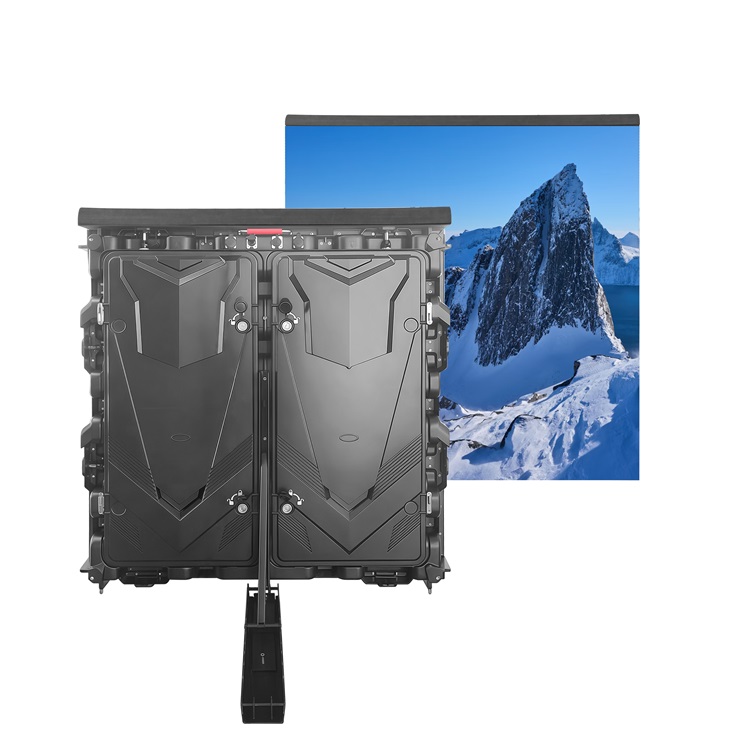

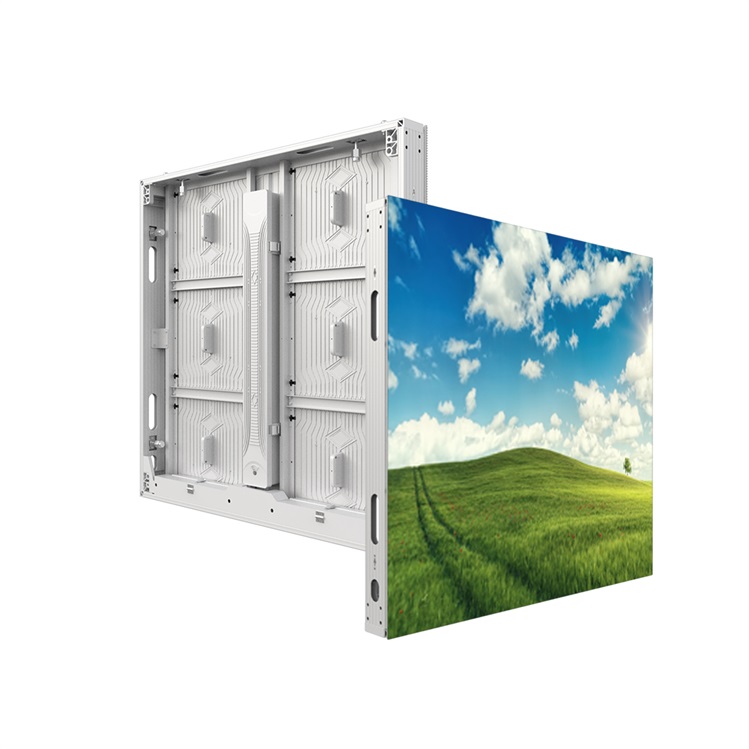
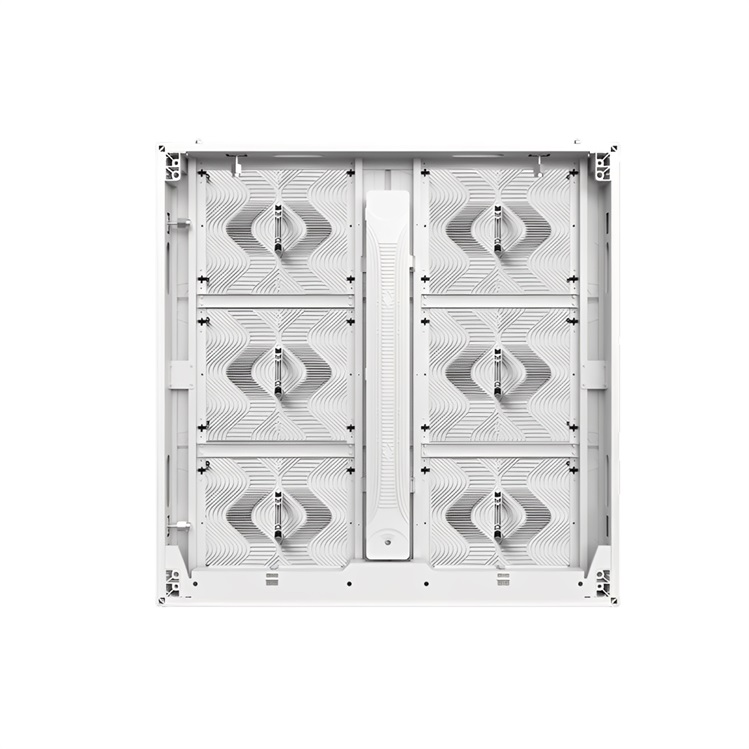
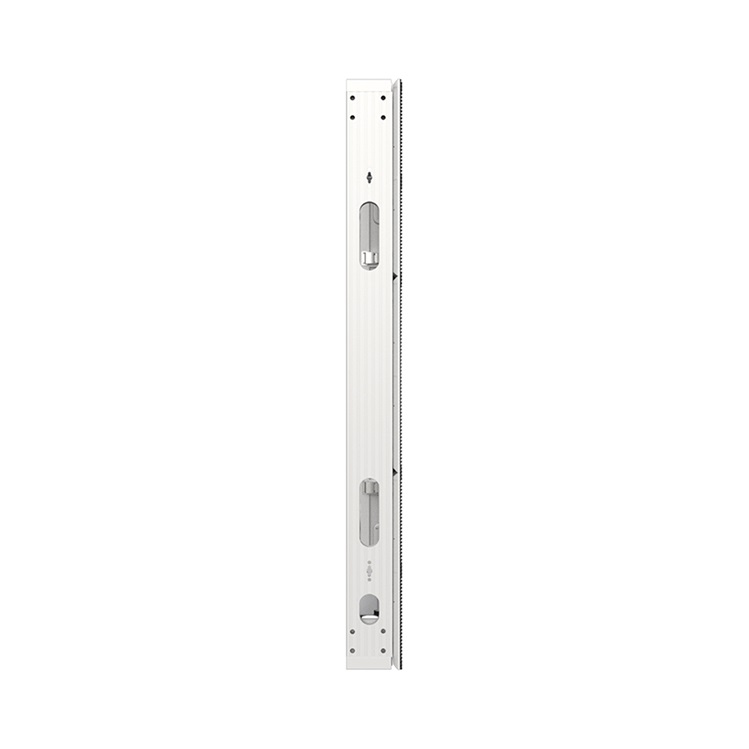
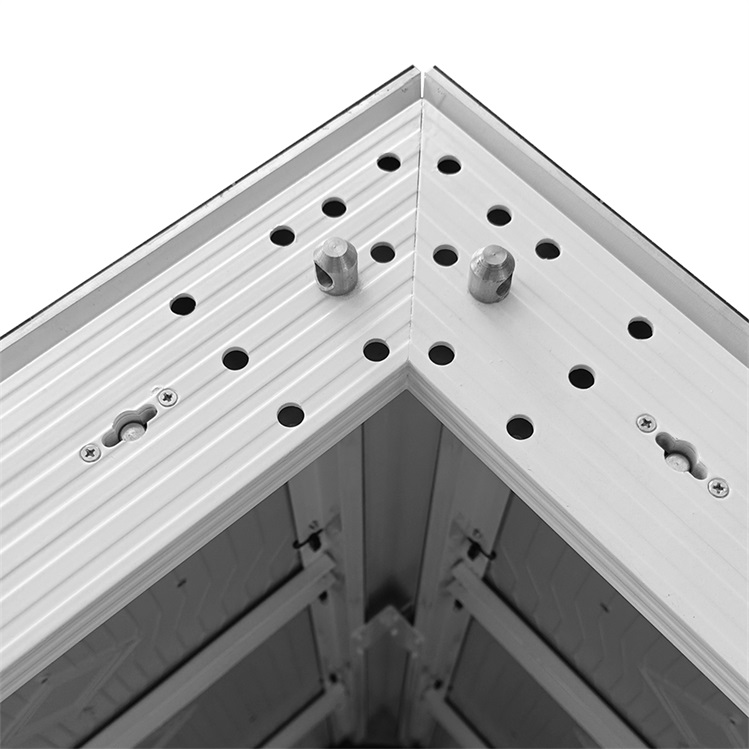
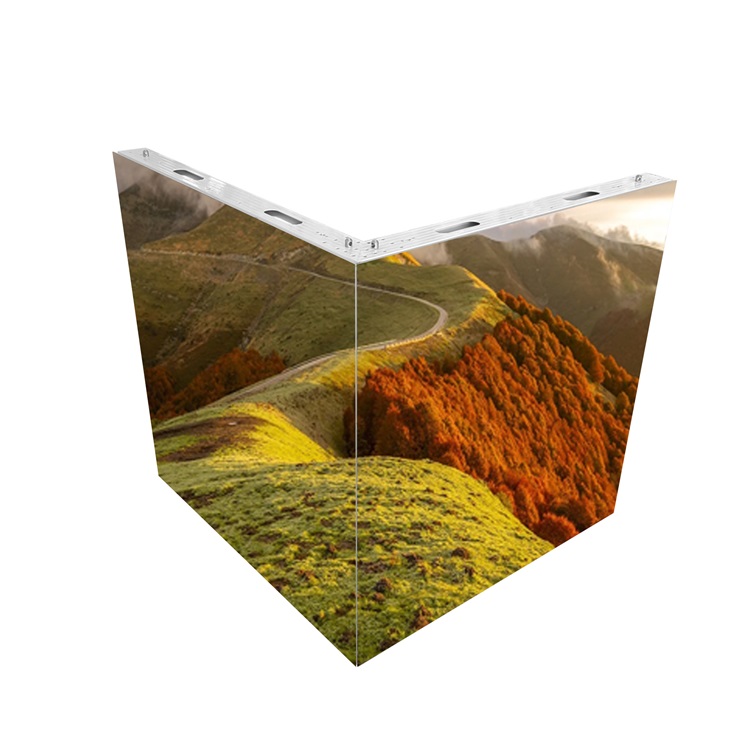
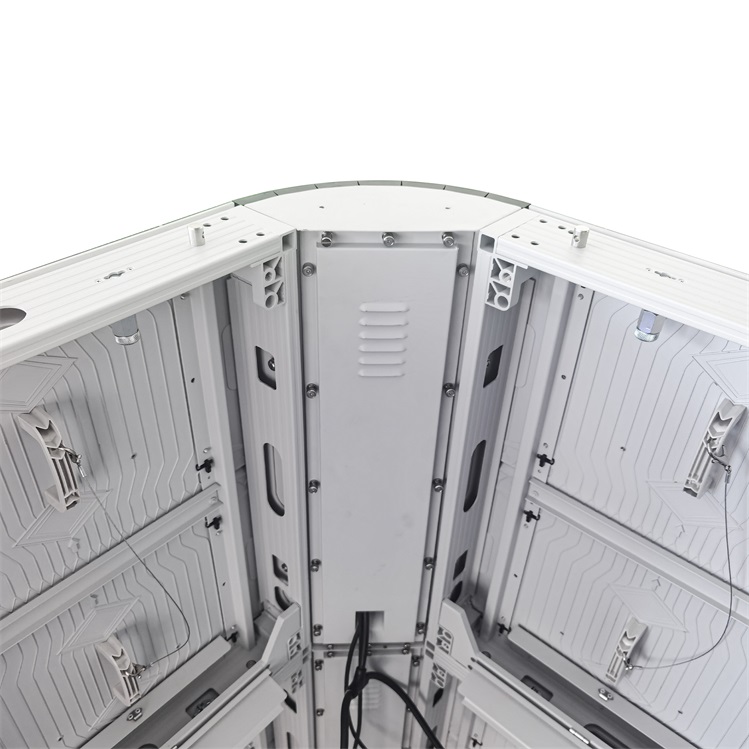
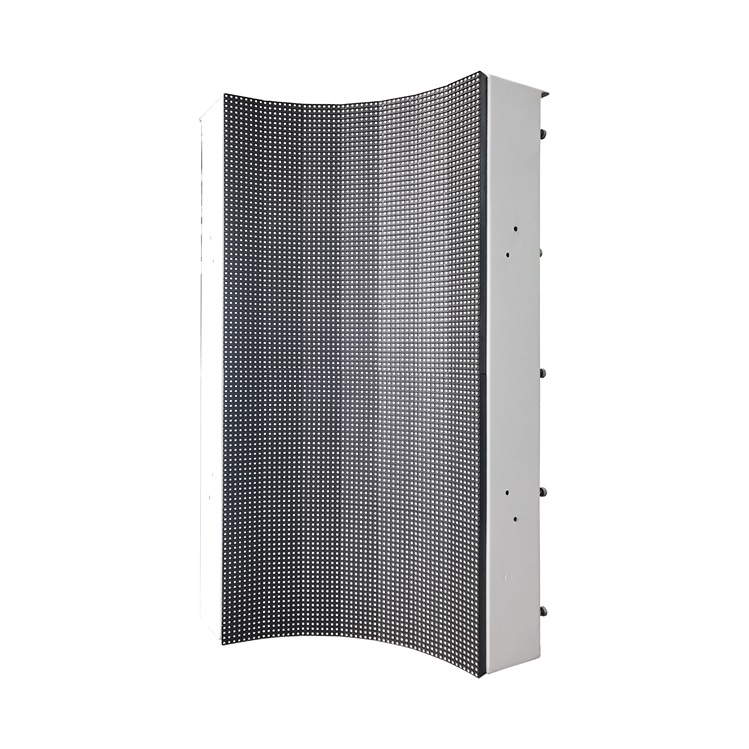
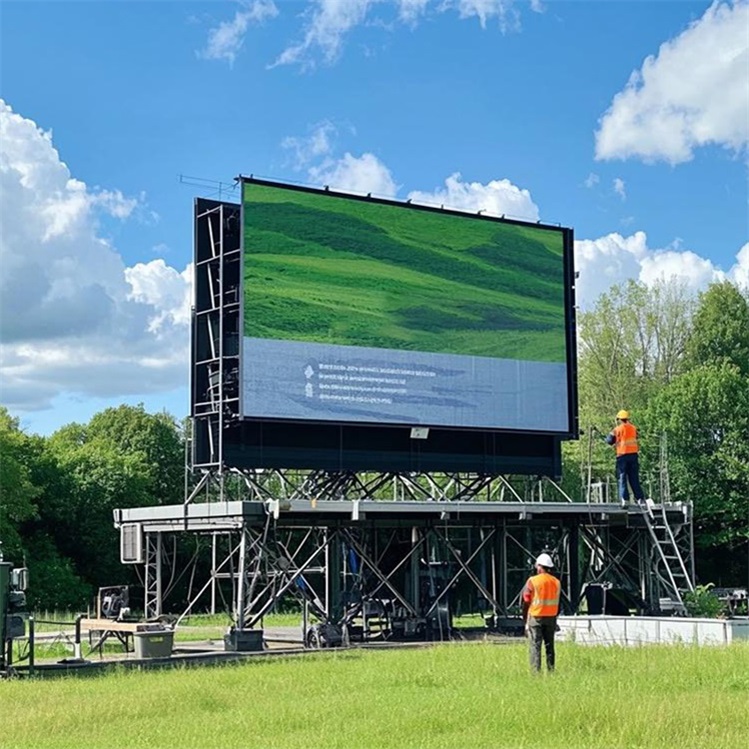
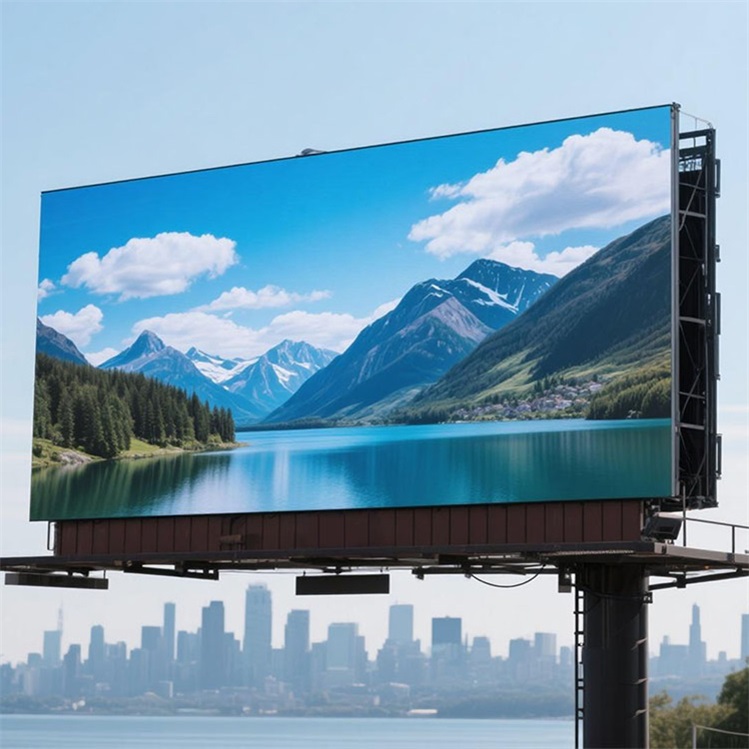
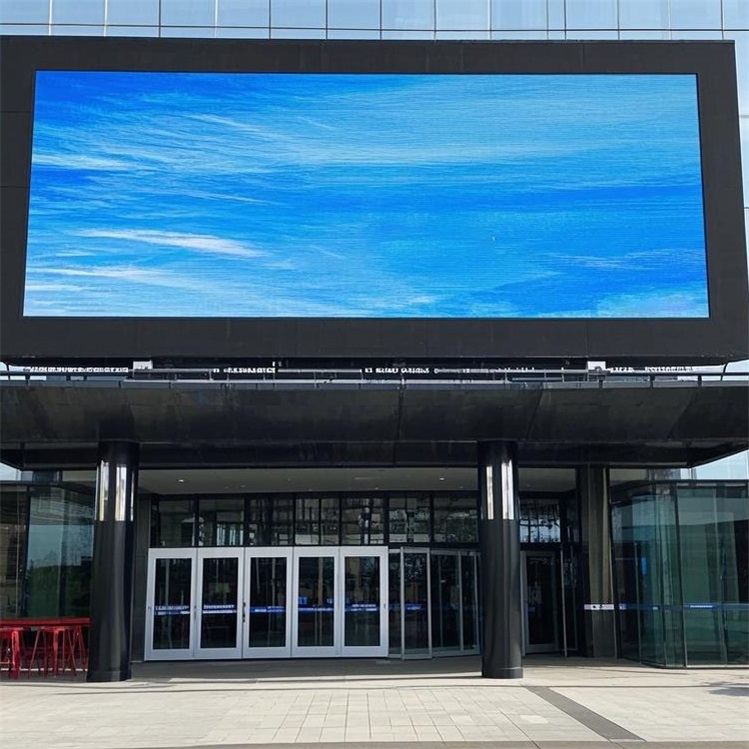
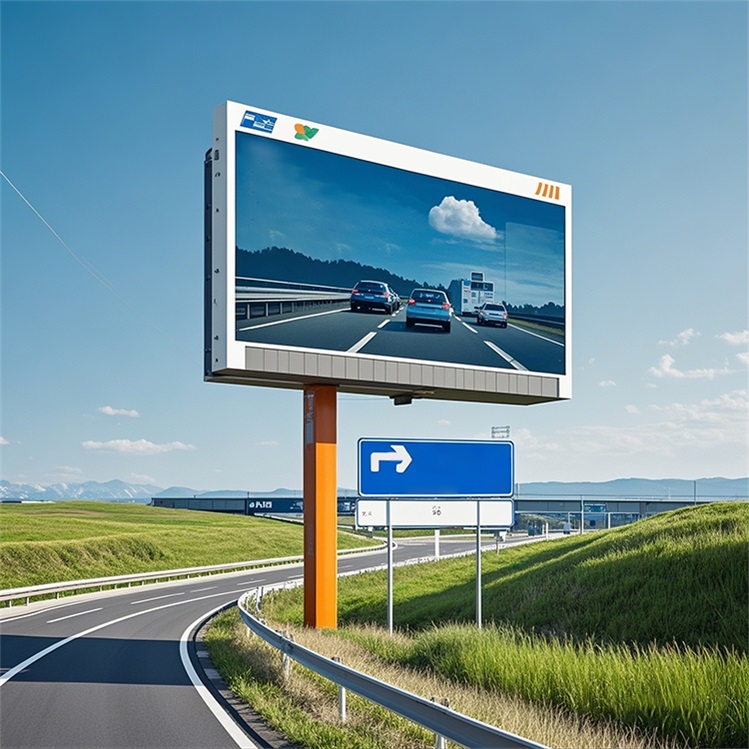
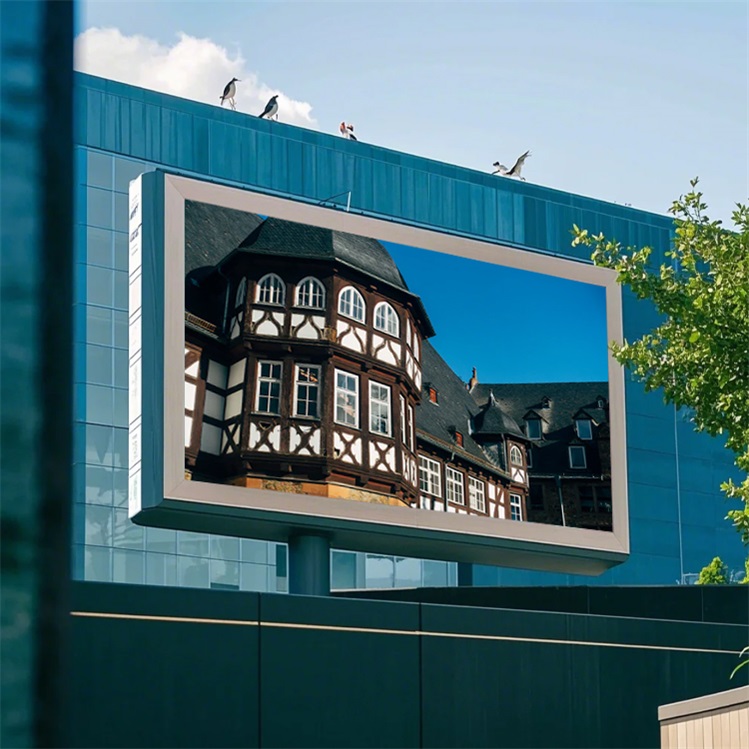
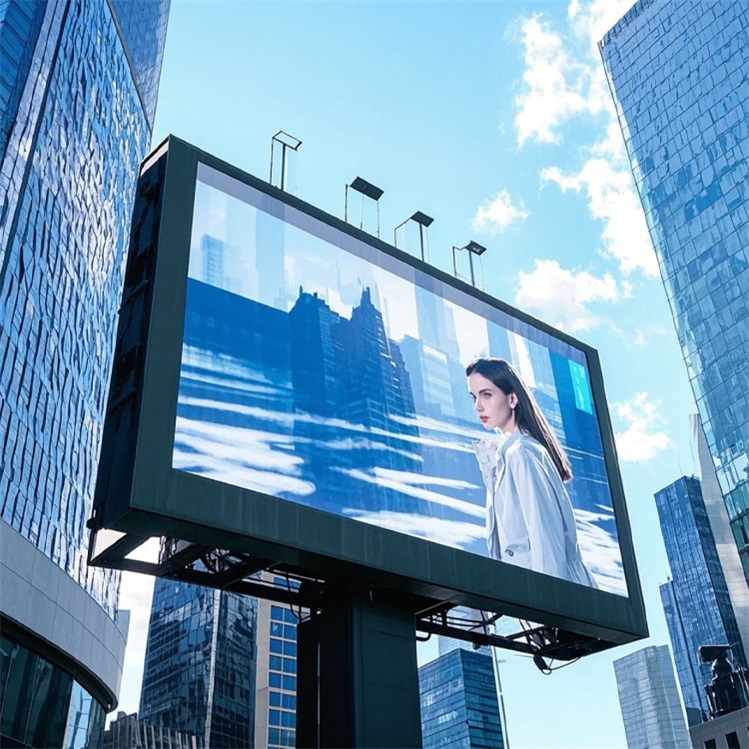
Hello everyone! As we all know, LED displays are quite common, and they come in both indoor and outdoor versions. Now, let me introduce you to Ningshineled’s outdoor LED wall!
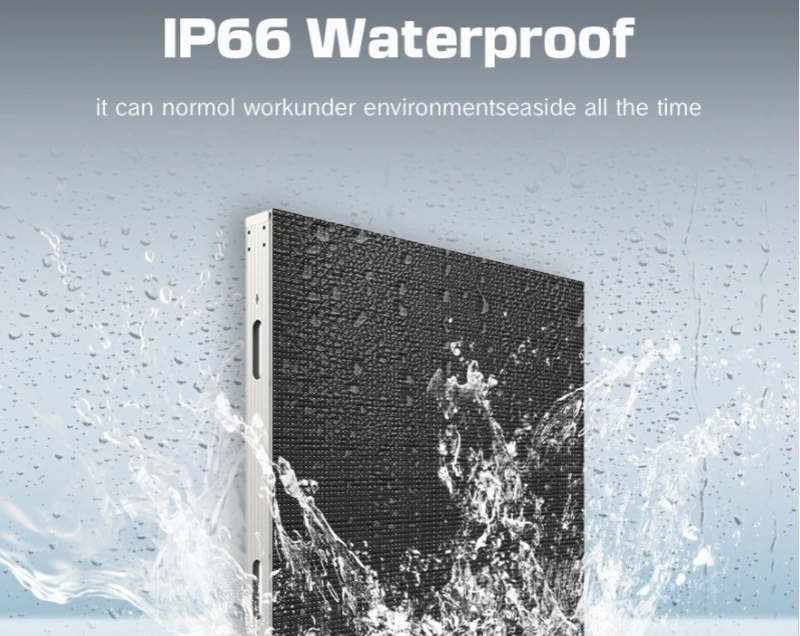
The HO series LED video walls are primarily used in outdoor settings such as building rooftops, streets, and transportation hubs. Because they are used outdoors, their protective performance is crucial. After all, outdoor conditions often involve wind and rain, and if rain causes the screen to malfunction, the consequences would be significant. Therefore, the HO LED video wall has an IP66 protection rating, which offers superior waterproofing compared to the IP65 rating commonly found in the market.
Next, let’s delve into the specific parameters of HO LED displays to understand the appeal of outdoor fixed-installation display screens!Furthermore, in the field of outdoor LED screens, common cathode, common anode, ultra-bright, and ultra-energy-efficient technologies are chosen based on different usage scenarios.
Outdoor LED Wall Parameter
- Common-cathode LED display screens connect the negative terminals of all LED chips together to form a common cathode circuit, In addition, this is currently the mainstream technology for high-end outdoor display screens.
Common Cathode Technical Parameters
| Item | P4.44 | P5.7 | P6.67 | P8 | P10 |
| Pixel Composition(SMD) | 1921 | 2727 | 2727 | 2727 | 2727 |
| Pixel Pitch(mm) | 4.44 | 5.7 | 6.67 | 8 | 10 |
| Module Resolution(W×H) | 108×72 | 84×56 | 72×48 | 60×40 | 48×32 |
| Module Size(mm) | 480×320×14 | 480×320×15 | 480×320×16 | 480×320×16 | 480×320×18 |
| Module Weight(kg) | 2 | ||||
| Module Qty/Cabinet(W×H) | 2×3 | ||||
| Cabinet Resolution(W×H) | 216×216 | 168×168 | 144×144 | 120×120 | 96×96 |
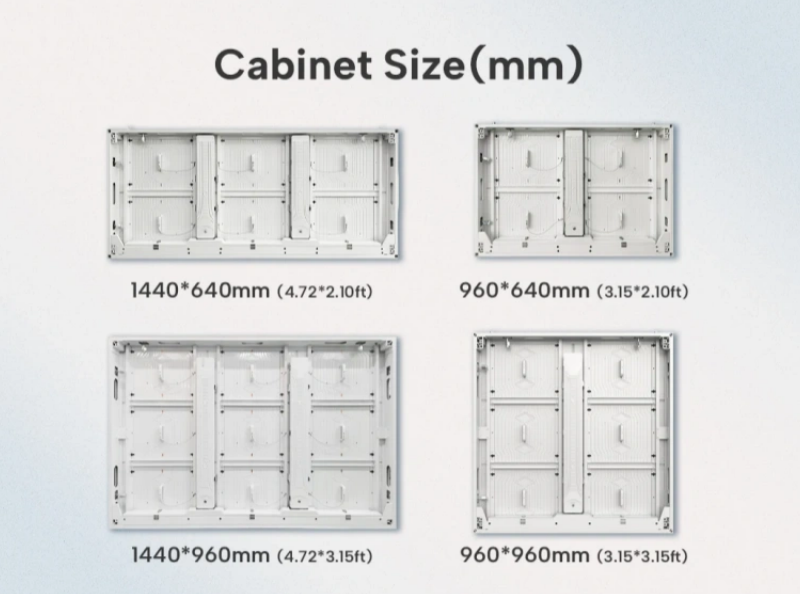
| Cabinet Size(mm) | 960×960/960×640/1440×640/1440×960 | ||||
| Cabinet Area(㎡) | 0.92 | ||||
| Cabinet Weight(kg/cabinet) | 24.5 | ||||
| Cabinet Material | Profile Aluminum | ||||
| Cabinet Density(dot/m²) | 50625 | 30625 | 22500 | 15625 | 10000 |
| IP Rating | IP66 | ||||
| White Balance Brightness(nits) | ≥5500 | ≥5500 | ≥5500 | ≥6000 | ≥6000 |
| Color Processor(bit) | 16 | ||||
| Color Temperature(K) | 6500-9000 | ||||
| Visual Angle(H/V) | 140°/ 120° | ||||
| Luminous point centre deviation | <3% | ||||
| Luminance uniformity | ≥97% | ||||
| Chromaticity uniformity | Within ±0.003Cx, Cy | ||||
| Contrast Ratio | ≥15000:1 | ||||
| The Max Power Consumption(W/㎡) | 550 | ||||
| Average Power Consumption(W/㎡) | 186 | ||||
| Input Voltage | AC100~240V | ||||
| Frequency(Hz) | 50&60 | ||||
| IC Driving(s) | 1/9 | 1/7 | 1/6 | 1/3 | 1/2 |
| Refreshing Ratio(Hz) | 3840 | ||||
| Maintenance Method | Front and Rear | ||||
| Lifespan(hrs) | 100,000 | ||||
| Storage Temperature/Humidity | -40℃~+80℃/10%RH-98%RH (Non Condensing) | ||||
| Work Temperature/Humidity | -20℃~+60℃/10%RH-98%RH (Non Condensing) | ||||
- Common anode LED screens connect the positive terminals of all LED beads together, forming a common anode circuit. In summary, this is the oldest and most traditional technology for outdoor LED displays.
Common Anode Technical Parameters
| Item | P4.44 | P5.7 | P6.67 | P8 | P10 |
| Pixel Composition(SMD) | 1921 | 2727 | 2727 | 2727 | 2727 |
| Pixel Pitch(mm) | 4.44 | 5.7 | 6.67 | 8 | 10 |
| Module Resolution(W×H) | 108×72 | 84×56 | 72×48 | 60×40 | 48×32 |
| Module Size(mm) | 480×320×14 | 480×320×15 | 480×320×16 | 480×320×16 | 480×320×16 |
| Module Weight(kg) | 2 | ||||
| Module Qty/Cabinet(W×H) | 2×3 | ||||
| Cabinet Resolution(W×H) | 216×216 | 168×168 | 144×144 | 120×120 | 96×96 |
| Cabinet Size(mm) | 960×960/960×640/1440×640/1440×960 | ||||
| Cabinet Area(㎡) | 0.92 | ||||
| Cabinet Weight(kg/cabinet) | 24.5 | ||||
| Cabinet Material | Profile Aluminum | ||||
| Cabinet Density(dot/m²) | 50625 | 30625 | 22500 | 15625 | 10000 |
| IP Rating | IP66 | ||||
| White Balance Brightness(nits) | ≥5500 | ≥5500 | ≥5500 | ≥6000 | ≥6000 |
| Color Processor(bit) | 16 | ||||
| Color Temperature(K) | 6500-9000 | ||||
| Visual Angle(H/V) | 140°/ 120° | ||||
| Luminous point centre deviation | <3% | ||||
| Luminance uniformity | ≥97% | ||||
| Chromaticity uniformity | Within ±0.003Cx, Cy | ||||
| Contrast Ratio | ≥15000:1 | ||||
| The Max Power Consumption(W/㎡) | 700 | 700 | 700 | 700 | 800 |
| Average Power Consumption(W/㎡) | 235 | 235 | 235 | 235 | 268 |
| Input Voltage | AC100~240V | ||||
| Frequency(Hz) | 50&60 | ||||
| IC Driving(s) | 1/9 | 1/7 | 1/6 | 1/3 | 1/2 |
| Refreshing Ratio(Hz) | 3840 | ||||
| Maintenance Method | Front and Rear | ||||
| Lifespan(hrs) | 100,000 | ||||
| Storage Temperature/Humidity | -40℃~+80℃/10%RH-98%RH (Non Condensing) | ||||
| Work Temperature/Humidity | -20℃~+60℃/10%RH-98%RH (Non Condensing) | ||||
- The main design concept of ultra-energy-efficient LED displays is “low power consumption,” achieved through significant reductions in energy consumption through technological optimizations in various aspects such as LED chips, drivers, and power supplies.
Ultra-energy saving Technical Parameters
| Item | P4.44 | P5.7 | P6.67 | P8 | P10 |
| Pixel Composition(SMD) | 1921 | 2727 | 2727 | 2727 | 2727 |
| Pixel Pitch(mm) | 4.44 | 5.7 | 6.67 | 8 | 10 |
| Module Resolution(W×H) | 108×72 | 84×56 | 72×48 | 60×40 | 48×32 |
| Module Size(mm) | 480×320×14 | 480×320×15 | 480×320×16 | 480×320×16 | 480×320×18 |
| Module Weight(kg) | 2 | ||||
| Module Qty/Cabinet(W×H) | 2×3 | ||||
| Cabinet Resolution(W×H) | 216×216 | 168×168 | 144×144 | 120×120 | 96×96 |
| Cabinet Size(mm) | 960×960/960×640/1440×640/1440×960 | ||||
| Cabinet Area(㎡) | 0.92 | ||||
| Cabinet Weight(kg/cabinet) | 24.5 | ||||
| Cabinet Material | Profile Aluminum | ||||
| Cabinet Density(dot/m²) | 50625 | 30625 | 22500 | 15625 | 10000 |
| IP Rating | IP66 | ||||
| White Balance Brightness(nits) | 5500 | ||||
| Color Processor(bit) | 16 | ||||
| Color Temperature(K) | 6500-9000 | ||||
| Visual Angle(H/V) | 80°/ 70° | ||||
| Luminous point centre deviation | <3% | ||||
| Luminance uniformity | ≥97% | ||||
| Chromaticity uniformity | Within ±0.003Cx, Cy | ||||
| Contrast Ratio | ≥15000:1 | ||||
| The Max Power Consumption(W/㎡) | 275 | ||||
| Average Power Consumption(W/㎡) | 92 | ||||
| Input Voltage | AC100~240V | ||||
| Frequency(Hz) | 50&60 | ||||
| IC Driving(s) | 1/9 | 1/7 | 1/6 | 1/3 | 1/2 |
| Refreshing Ratio(Hz) | 3840 | ||||
| Maintenance Method | Front and Rear | ||||
| Lifespan(hrs) | 100,000 | ||||
| Storage Temperature/Humidity | -40℃~+80℃/10%RH-98%RH (Non Condensing) | ||||
| Work Temperature/Humidity | -20℃~+60℃/10%RH-98%RH (Non Condensing) | ||||
- Ultra-bright LED displays are designed for high-brightness environments (such as direct sunlight at midday or high-altitude areas), with brightness typically exceeding 10,000 nits, and some reaching 10,000-15,000 nits.
Super Brightness Technical Parameters
| Item | P4.44 | P5.7 | P6.67 | P8 | P10 |
| Pixel Composition(SMD) | 1921 | 2727 | 2727 | 2727 | 2727 |
| Pixel Pitch(mm) | 4.44 | 5.7 | 6.67 | 8 | 10 |
| Module Resolution(W×H) | 108×72 | 84×56 | 72×48 | 60×40 | 48×32 |
| Module Size(mm) | 480×320×14 | 480×320×15 | 480×320×16 | 480×320×16 | 480×320×18 |
| Module Weight(kg) | 2 | ||||
| Module Qty/Cabinet(W×H) | 2×3 | ||||
| Cabinet Resolution(W×H) | 216×216 | 168×168 | 144×144 | 120×120 | 96×96 |
| Cabinet Size(mm) | 960×960/960×640/1440×640/1440×960 | ||||
| Cabinet Area(㎡) | 0.92 | ||||
| Cabinet Weight(kg/cabinet) | 24.5 | ||||
| Cabinet Material | Profile Aluminum | ||||
| Cabinet Density(dot/m²) | 50625 | 30625 | 22500 | 15625 | 10000 |
| IP Rating | IP66 | ||||
| White Balance Brightness(nits) | 10000 | ||||
| Color Processor(bit) | 16 | ||||
| Color Temperature(K) | 6500-9000 | ||||
| Visual Angle(H/V) | 80°/ 70° | ||||
| Luminous point centre deviation | <3% | ||||
| Luminance uniformity | ≥97% | ||||
| Chromaticity uniformity | Within ±0.003Cx, Cy | ||||
| Contrast Ratio | ≥15000:1 | ||||
| The Max Power Consumption(W/㎡) | 500 | ||||
| Average Power Consumption(W/㎡) | 168 | ||||
| Input Voltage | AC100~240V | ||||
| Frequency(Hz) | 50&60 | ||||
| IC Driving(s) | 1/9 | 1/7 | 1/6 | 1/3 | 1/2 |
| Refreshing Ratio(Hz) | 3840 | ||||
| Maintenance Method | Front and Rear | ||||
| Lifespan(hrs) | 100,000 | ||||
| Storage Temperature/Humidity | -40℃~+80℃/10%RH-98%RH (Non Condensing) | ||||
| Work Temperature/Humidity | -20℃~+60℃/10%RH-98%RH (Non Condensing) | ||||
Outdoor LED Wall Advantages
Established in 2009, Ningshine is a leading LED display manufacturer located in Shenzhen. Furthermore, we hold various certifications such as CE, EMC, FCC, and RoHS to ensure that our products meet the market access requirements of various countries worldwide.
Due to the unique operating environment of outdoor displays, Ningshine’s outdoor fixed LED displays are designed to meet customer needs with high brightness, waterproof features, and energy efficiency. Therefore, the HO series offers the following advantages.
01
In order to meet the requirements of high brightness
Our traditional common-cathode, common-anode, and ultra-energy-efficient LED displays can all achieve brightness levels of over 5500 nits, and our ultra-bright LED screens even boast brightness levels exceeding 10000 nits, so suitable for various ambient light conditions.
02
In order to meet the requirements of high waterproof
We designed an IP66 waterproof enclosure, ensuring the LED screen can function normally even in heavy rain and strong winds.
03
In order to meet the demands of application scenarios.
We have developed and designed a common-cathode LED video wall, which is more energy-efficient than common-anode designs.
04
In order to save more energy
Our ultra-energy saving LED screen not only saves more than 50% of power consumption, but also has an average power of only 92W/㎡, which is very energy-efficient.
Next, let’s learn about outdoor fixed-installation LED displays, covering aspects such as the cabinet, brightness, install, maintenance, and connectivity.
Outdoor LED Wall Comparison
Ningshine’s Outdoor Fixed Installation
Others
Warranty
Five-year warranty, full guarantee from pre-sales to after-sales.
Warranty
2-3 years warranty, quality is not guaranteed.
cabinet
Aluminum cabinet, aluminum module shell, better heat dissipation, and will not cause fire, because the product will not burn.
Cabinet
Iron cabinet, plastic module, poor heat dissipation, module is easy to burn.
Easy to install
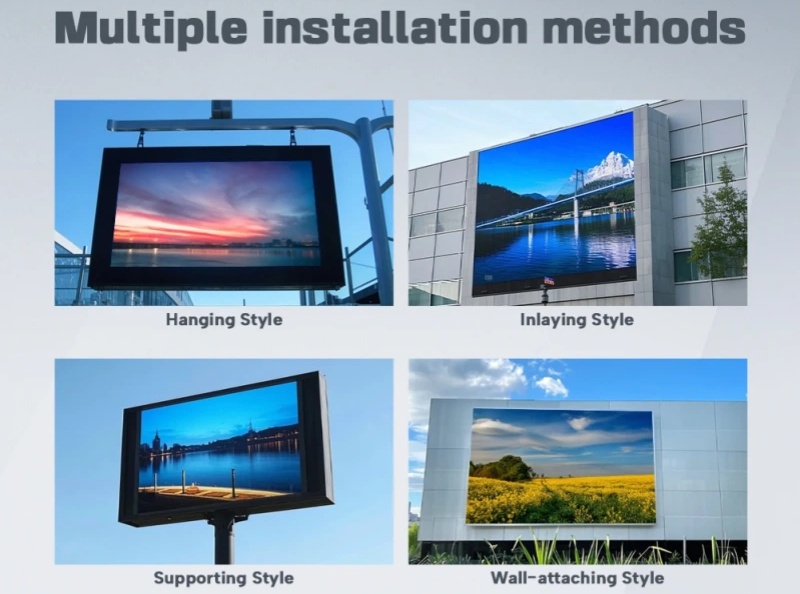
Can be directly mounted on the wall without frame, so easy to install and cost-saving.
Easy to install
The iron cabinet must be installed on the frame, which is complicated and costly to install.
Brightness
Outdoor environments generally have ambient light interference, so our LED screen uses 5500~10000nits, which does not affect the viewing effect
Brightness
<5000nits brightness, so direct sunlight on the screen does not clean the display effect
.
Grade
IP66 High protection level, not only does it display normally on rainy days, but it also remains unaffected in extremely cold areas like saline alkali.
Grade
Other cabinets are only IP65.
board
HUB board connection, so good stability, easy maintenance and replacement of accessories.
board
Cable connection, moreover, poor stability, extremely complicated maintenance.
cabinet
Aluminum cabinet, rust-proof, corrosion-resistant. On the other hand, aluminum cabinet is light, only 25kgs.
cabinet
Iron cabinet, so easy to rust and corrode, cannot be used at the seaside or in very humid areas. Besides iron cabinet is heavy, about 40 kgs, and the thickness is 160 mm.
Easy to maintain
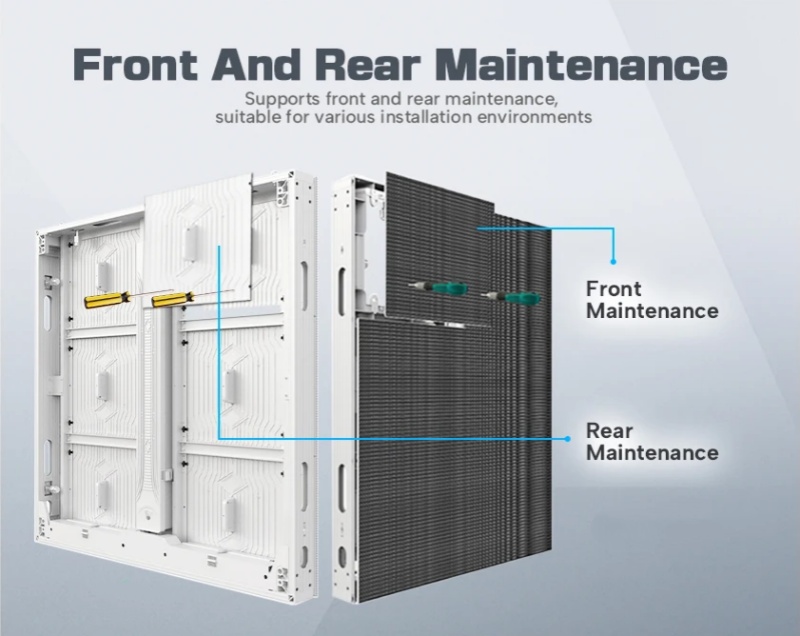
Front and rear maintenance, so suitable for various installation environments.
Easy to maintain
Iron cabinet, only rear maintenance , thus limited installation scenarios.