
Hello everyone! With the rapid development of display technology, there are numerous LED displays on the market today. Examples include LED screens for stage rentals, indoor and outdoor fixed-installation LED screens, and COB screens. So, these are all familiar and common LED screens. Now, a “transparent screen” has emerged, representing not only an innovation in transparent display technology but also finding applications in shopping malls, retail stores, glass display windows, and other scenarios.
I. What is a transparent screen?
Definition
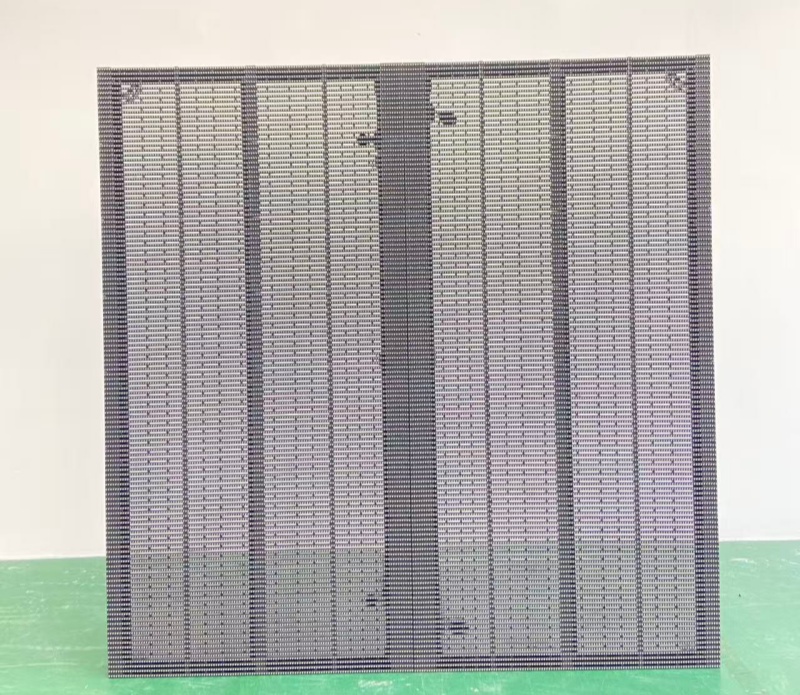
As the name suggests, a transparent LED screen is a type of LED screen that boasts high transparency and a novel and unique display effect. “Transparency” is its greatest characteristic. At the same time, the transparent screen allows light to pass through it like glass without affecting the displayed content.
Principle
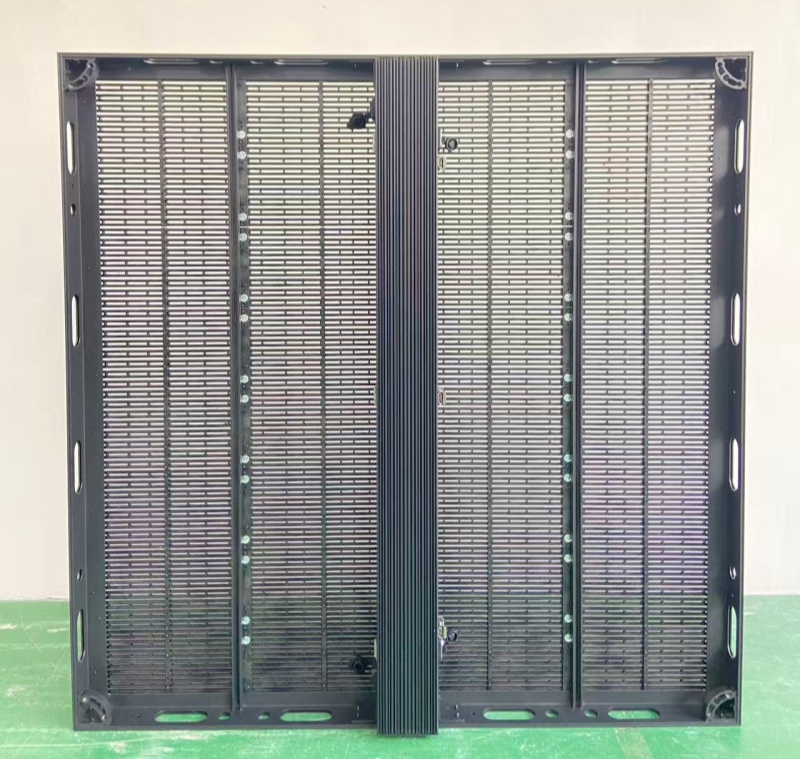
Transparent LED screens utilize improved technologies such as special LED packaging, lighting processing, and surface-mount manufacturing processes. Secondly, there are two main manufacturing methods: front-emitting and side-emitting. Front-emitting LEDs are larger and mounted on the front of the PCB, while side-emitting technology makes the LED strips almost invisible. Finally, the hollowed-out design structure ensures both HD image display and improved transparency.
II. Advantages of Transparent Displays
Transparent LED screens boast features such as high transparency, light weight, thin profile, and easy installation. They can be used wherever there is glass, making them suitable for shopping malls, theaters, commercial streets, chain stores, hotels, and more. Let’s take a closer look at their advantages and appeal.
High visibility
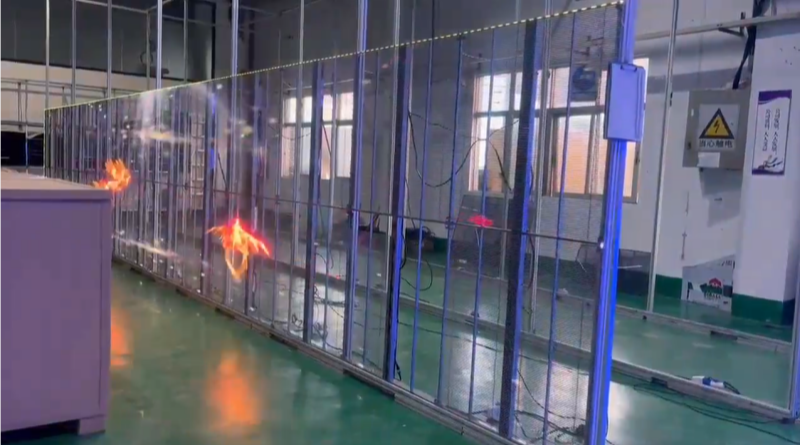
The biggest advantage of transparent LED screens is their high transparency, with a transparency rate ranging from 60% to 95%. This means that even when installed between buildings, on glass facades, or in windows, they allow for excellent light transmission. Therefore, this also provides better clarity and image display quality.

Lightweight and thin
The transparent screen uses CNC aluminum material, and a single 1000x1000mm LED panel weighs ≤6kg. This is significantly lighter than traditional LED displays. Furthermore, the screen body is only 8cm thick, making it very lightweight. This thin and lightweight design not only reduces space requirements but also minimizes the load on the supporting structure.
Easy to install
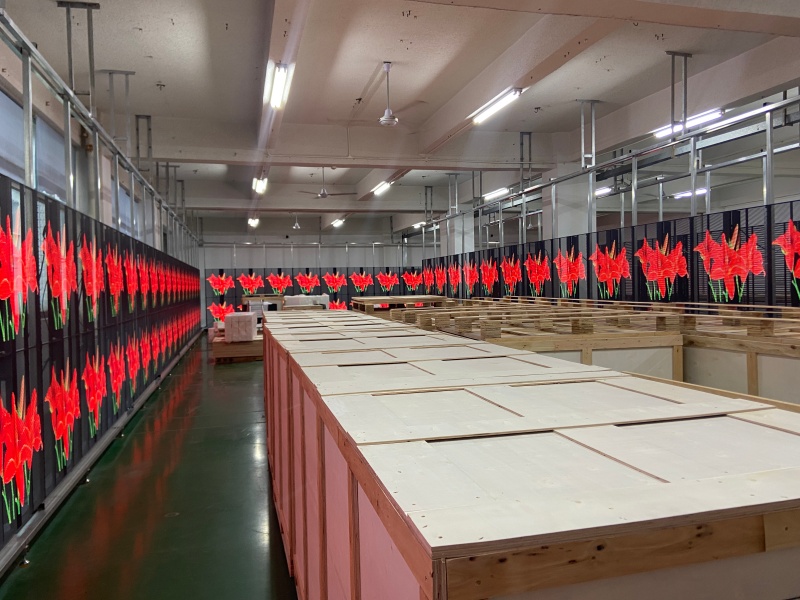
Transparent screens support hanging and stacking installations and can be directly installed on glass or windows without the need for steel structures or frames. Installation is simple and quick, saving time. Because the screen itself is thin and lightweight, maintenance is also easier.
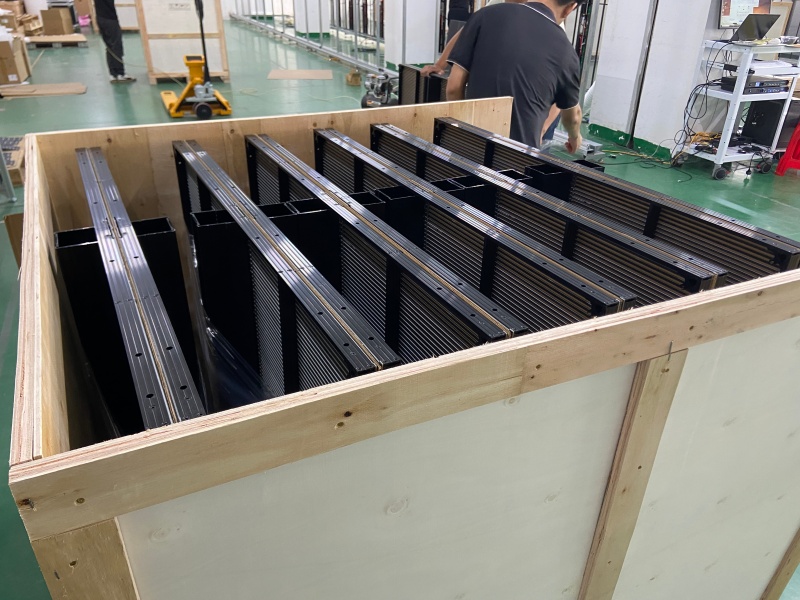
High efficiency and energy saving
Because it can dissipate heat efficiently without the need for traditional air conditioners or fans, it is more energy-efficient than ordinary LED displays, effectively reducing power consumption.
III. Conclusion
Transparent LED screens, with their advantages of high transparency, thin and lightweight design, easy installation, and energy efficiency, are gradually becoming the ideal choice for architectural advertising displays. Ningshine’s LED transparent screens also offer a variety of pixel pitch options. Common specifications include H3.125mm-V3.125mm, H2.97mm-V6.25mm, H3.91mm-V7.82mm, and H10.42mm-V10.42mm, among others, meeting the visual needs of different scenarios. This provides clear and vivid display effects for advertising and commercial presentations.