
In the field of LED display screens, multi window display and multi screen display are two different concepts, but overall they are technologies that achieve the “one screen, multiple uses” of LED display screens. Simply put, multi window is “partition/overlay”, and multi screen is “multi signal simultaneous display”. Below are the specific differences between the two:
I. Multi window display
Definition: A large LED screen that can display multiple images, videos, or text, with different content in each window, adjustable in size and position.
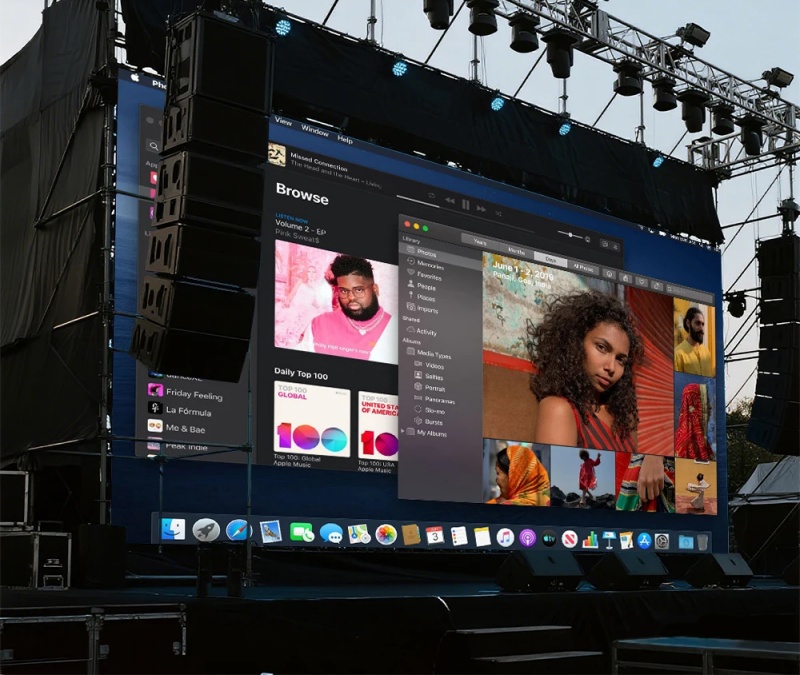
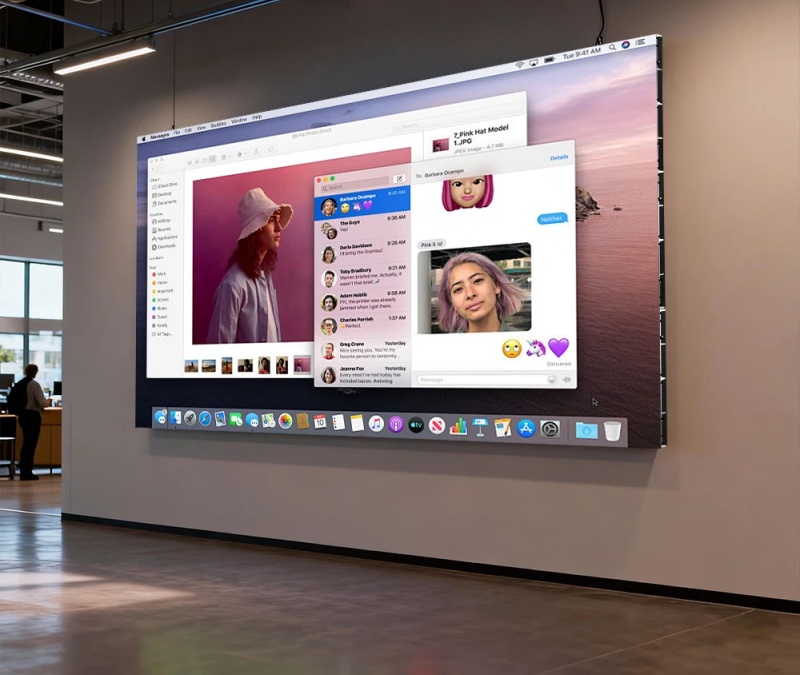
Core features

- The same signal source, different programs on the same computer, or different materials from the same control system.
- Independent display: You can display videos, images, and PPTs on the same screen with flexible control over size, position, overlay (picture-in-picture PIP), zoom, and more.
- Control hierarchy: LED video processors or control software directly divide the display into multiple windows, allowing independent switching, adjustment, content changing, and roaming.
- Hardware requirements: The sending card or asynchronous card needs to have “multi window” function, or use a splicing control processor.
Typical Case
- The main screen of the conference room displays PPT, videos, and text notes simultaneously.
- Exhibition hall/mall: Main advertising video+small window product introduction.
II. Multi screen display
Definition: We can divide the same LED screen into multiple areas to display different images simultaneously. The processor can connect multiple devices simultaneously and display them on the screen at the same time.
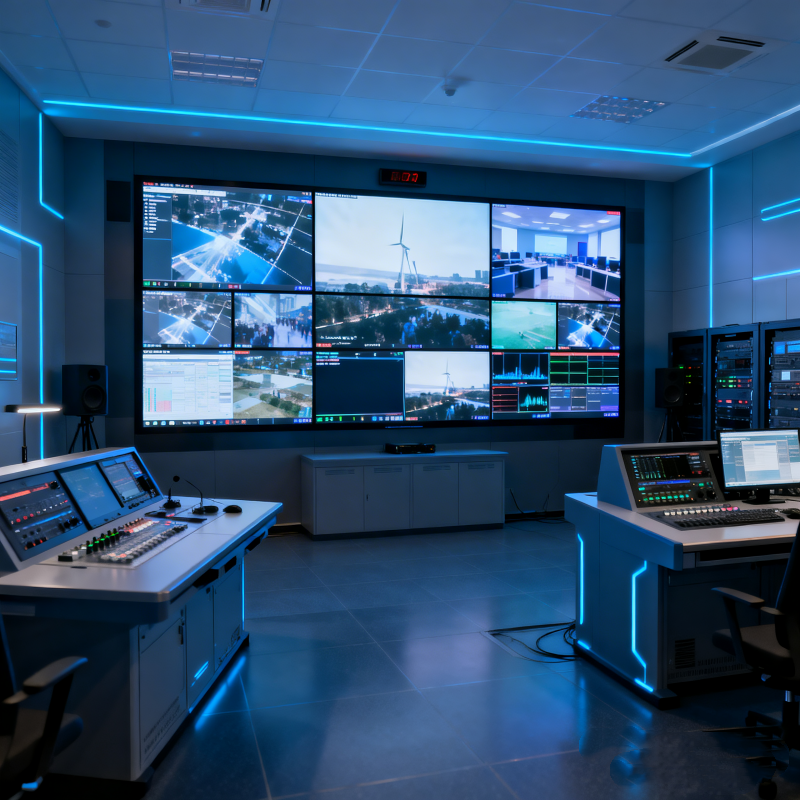
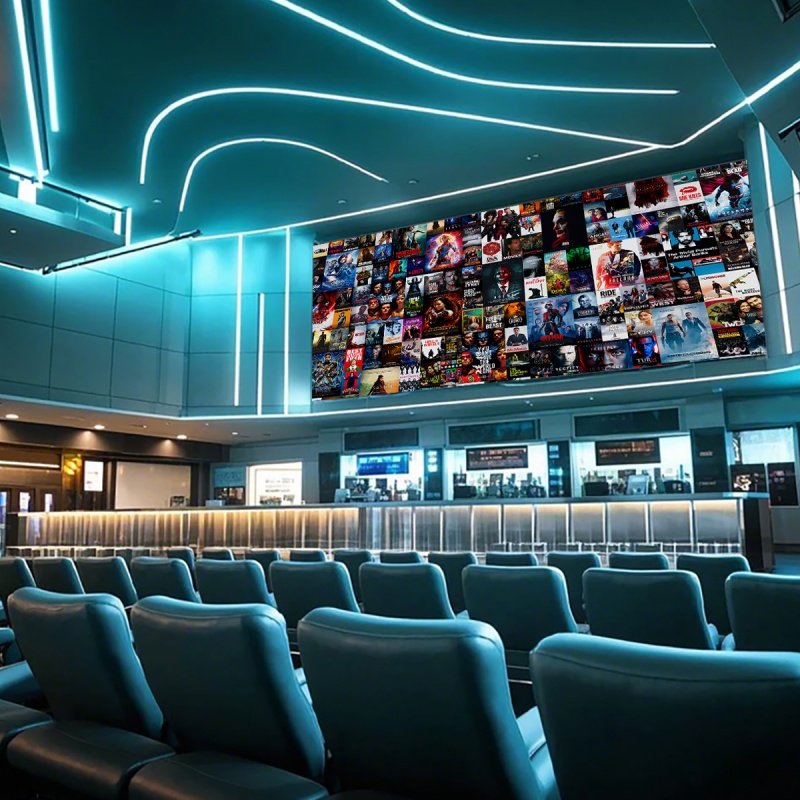
Core features
- Multiple signal source input: Supports simultaneous access of multiple signals such as HDMI, DVI, SDI, etc.
- Screen non overlapping: Multiple screens are mostly tiled (POP) and do not overlap with each other.
- Screen independent control: Each screen can be individually switched, turned on/off, and resized, and the switching does not affect each other.
- Hardware driven: relying on multi screen video processors to output multiple signals without buffering or delay.
Typical Case
- Monitoring Center: You can divide the large screen into 4, 9 or 16 grids to display multiple surveillance camera images simultaneously.
- Event: Play 2-4 different matches simultaneously.
- The mall advertising screen simultaneously plays multiple advertisements.
III. Conclusion
In short, the multi window display of LED screens is based on the window opening function of video processors or software implementation. Multi screen display is achieved through the segmentation function of video processors.