
Introduction-LED Display Wall
Since the beginning of 2026, the LED display industry has departed from its previous stable trend and entered a new wave of rising raw material costs. Nearly all key materials have seen price increases. This includes driver ICs, PCBs, LED beads and cabinet parts. As a result, many manufacturers have issued price hike notices. Increases range from 3% to 15%, and sometimes even higher. The era of low-price involution in the industry has officially come to an end, presenting significant challenges to the entire LED display sector.
I. Core Raw Materials Experience Dramatic Price Surges
LED displays are precision optoelectronic products whose manufacturing relies heavily on essential raw materials. Such as gold, silver, copper, tin, aluminum, and the rare metal gallium. Since 2025, these metal prices have soared. They remain high with no near-term decline in sight.
1. RGB LED lamp beads
First and foremost, RGB LED lamp beads have seen substantial cost increases. LED lamp bead costs have jumped 10%-15%. This stems from higher gold, silver and epoxy prices. High-reliability lamp beads required for small-pitch and Mini LED displays have experienced even more significant price hikes due to their complex manufacturing processes. Gold and silver are critical for LED packaging. Directly determining the electrical conductivity, luminous stability, and service life of the final products.
2. PCB board
In addition, prices of basic raw materials such as copper, aluminum, and petroleum continue to hover at historic highs. Copper forms the primary raw material for PCB boards, connecting wires, and equipment cabinets. Meanwhile, LED packaging adhesives and potting compounds are heavily influenced by prices of petroleum derivatives. These factors combined have pushed up costs for midstream components across the board.
3. Driver IC
Furthermore, driver IC costs have also risen dramatically. Furthermore, driver IC costs have risen sharply. Gallium, tin and aluminum prices all climbed simultaneously. This creates overwhelming cost pressure for manufacturers.
4. Cabinets and power
Finally, cabinets and power supplies have not been spared from the price surge. Fluctuations in aluminum alloy and galvanized steel prices have increased costs for rental cabinets and die-cast aluminum cabinets by 5%-10%.
II. Chip and IC Costs Continue to Climb
The LED display industry already faces intense competition and severe product homogenization. Now, in addition to rising basic raw material costs, the rapid development of the AI industry has emerged as another core factor driving up costs in the LED sector. Leading wafer fabs currently prioritize production capacity for AI computing chips and high-end intelligent chips. This shift has compressed available capacity for LED driver ICs, control chips, and signal receiving components, leading to longer delivery cycles and steady increases in procurement prices.
At the same time, challenges persist on the sales side. End customers remain highly price-sensitive and show low acceptance of price-increased orders. Moreover, large-scale projects have long bidding cycles, making it impossible for manufacturers to adjust prices quickly.
III. How the Industry Should Respond-LED Display Wall
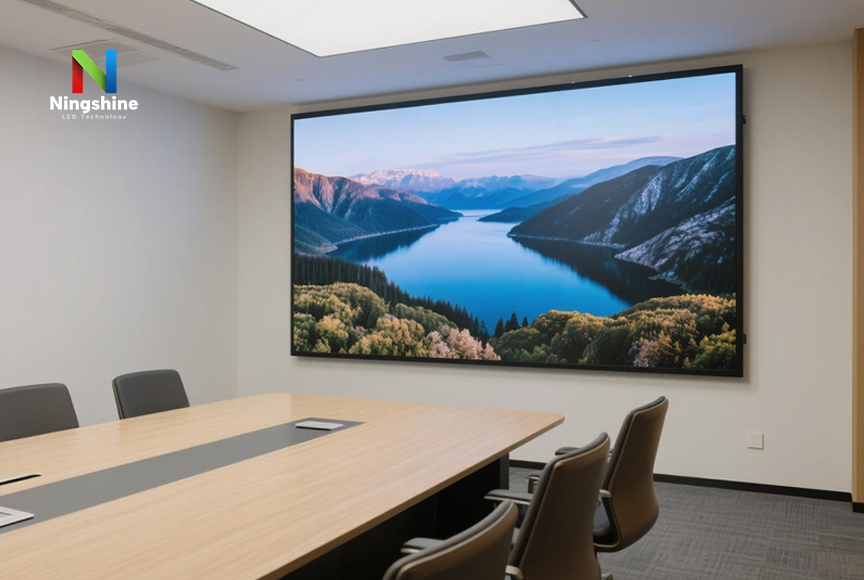
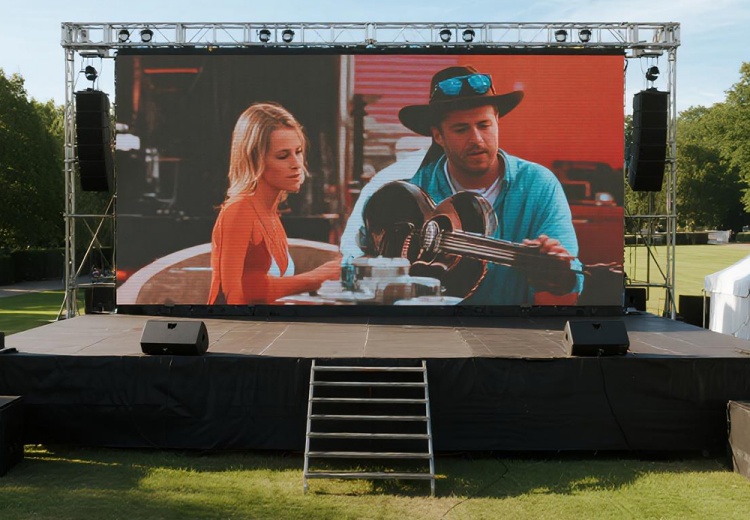
At this stage, high raw material prices have become the new normal, and LED display prices are unlikely to experience significant declines. This round of price increases covers all product categories, including indoor small-pitch displays, outdoor large screens, transparent screens, and rental screens, marking the definitive end of low-price involution.
Consequently, the industry is officially moving away from price wars and shifting toward healthy competition based on quality, technology, solutions, and services. In 2026, the LED display industry will formally enter a phase of high-quality development. Reliable product quality, reasonable pricing, and comprehensive after-sales service will become the core standards for long-term business partnerships.