
When choosing a rental LED display, one of the first decisions is whether you need an indoor or outdoor LED screen. Although both types use LED technology to build large-format video walls, but manufacturers design them for different environments. They differ greatly in brightness, weather protection, pixel pitch, cabinet design, and installation requirements.
For event companies, stage rental businesses, churches, conference organizers, understanding these differences can help you select the right rental LED display for each project.
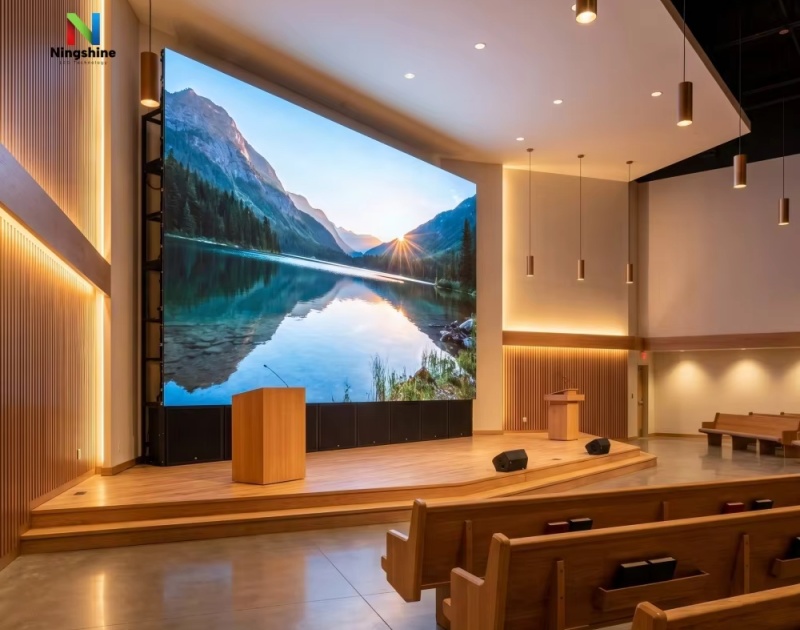
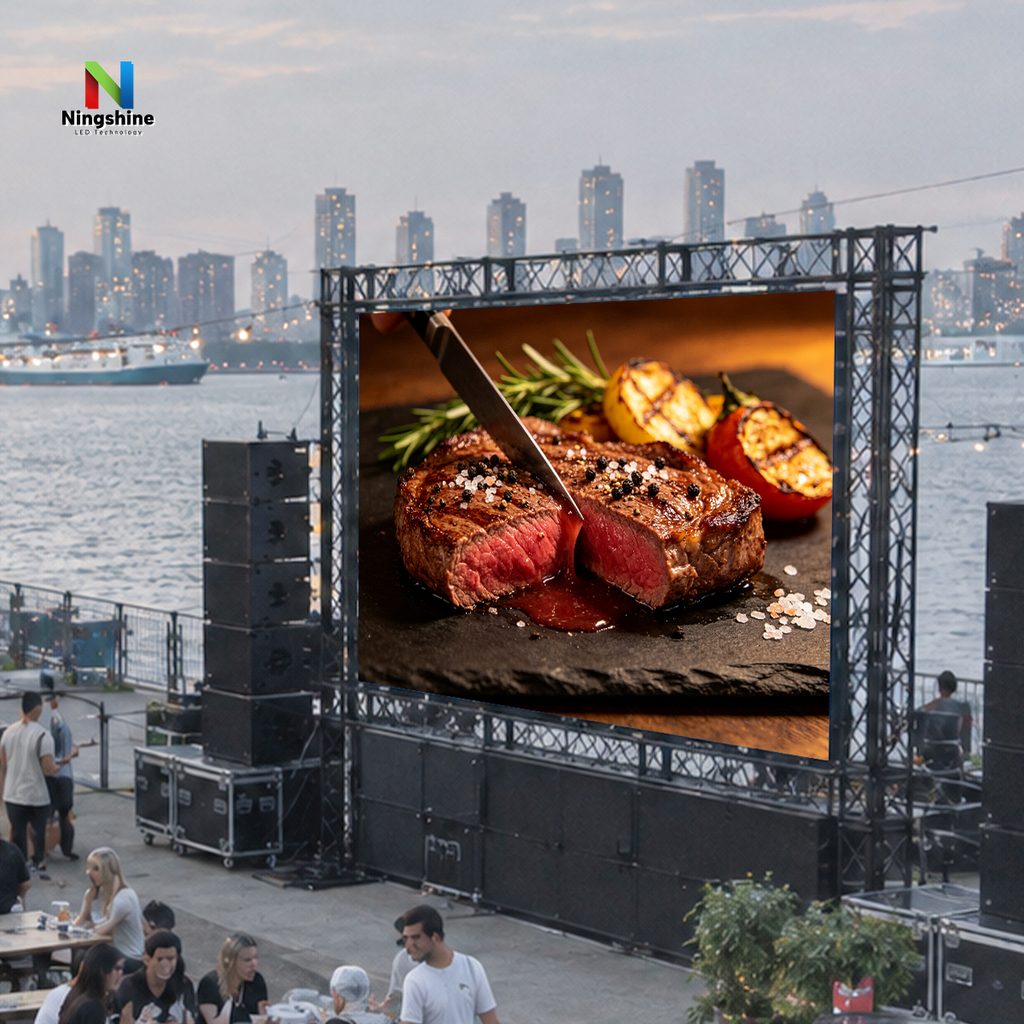
Indoor Outdoor LED Screen
The main difference between indoor and outdoor rental LED displays is their operating environment.
Indoor rental LED displays are designed for controlled environments such as conferences, exhibitions, churches, shopping malls, hotels, studios, and indoor stages. They usually use lower brightness and finer pixel pitches because the audience is closer to the screen.
Outdoor rental LED displays are designed for concerts, festivals, sports events, outdoor stages, public events, and other open-air applications. They generally require higher brightness, weather protection, and a more robust cabinet structure.
1. Brightness
Brightness is one of the most important differences between indoor and outdoor rental LED displays.
Indoor Rental LED Display
Indoor venues normally have controlled lighting conditions, so extremely high brightness is not necessary. A suitable brightness level(800-1200nits) can provide clear images without making the screen uncomfortable for people sitting close to it.
Outdoor Rental LED Display
Outdoor LED screens need significantly higher brightness because they may be exposed to daylight and direct sunlight. Higher brightness(≥5500nits) helps maintain image visibility during daytime outdoor events.
The required brightness should be selected according to the actual installation environment rather than simply choosing the highest possible brightness.
2. Weather Protection
Indoor screens are generally not designed to withstand rain or prolonged exposure to moisture. IP31 protection rate can basically prevent water and dust.
Outdoor rental LED displays need additional protection against environmental conditions such as:
- Rain
- Moisture
- Dust
- Temperature changes
- Outdoor humidity
Outdoor rental cabinets are typically designed with weather-resistant structures and IP65 protection.
3. Pixel Pitch & Viewing Distance
Pixel pitch refers to the distance between two LED pixels. A smaller pixel pitch generally provides higher pixel density and better image detail at close viewing distances.
Indoor audiences are often closer to the screen, so fine pixel pitches are commonly selected. Popular options include: 1.95mm 2.6mm 2.97mm 3.91mm 4.81mm, etc.
Outdoor audiences are usually farther away from the LED screen. Therefore, larger pixel pitches can be suitable for many outdoor applications.
Common options include: 2.6mm 2.97mm 3.91mm 4.81mm.
4. Cabinet Design
Both indoor and outdoor enclosures are made of die cast aluminum material, with standard modules measuring 500 * 500mm and 500 * 1000mm. At the same time, there are IP31 protective cabinets indoors and IP65 protective cabinets outdoors.
5. Final Tip-Indoor outdoor LED screen
Choose rental LED based on venue lighting, viewing distance and weather condition. If your event runs day and night outdoors, outdoor IP65 rental LED is mandatory. For indoor events with close audience viewing, fine-pitch indoor rental screens give superior image quality.
Never use indoor rental LED screens outdoors. Water and sunlight can destroy panels and create hazards. Outdoor rental screens can work indoors, yet their ultra-high brightness may overexpose content and cost more for rental.