
Introduction: Why Choosing the Right LED Display Matters
In 2026, LED display technology continues to transform the way businesses communicate with customers, audiences, and communities. From retail stores and shopping malls to stadiums, churches, corporate events, entertainment venues, and outdoor advertising spaces, LED screens have become an essential visual communication tool.
However, choosing the right LED display screen is not only about selecting a product with high brightness or a large size. Businesses need to consider multiple factors, including application environment, pixel pitch, viewing distance, brightness requirements, refresh rate, durability, installation method, and after-sales support.
A reliable LED display solution can help businesses improve brand visibility, create immersive experiences, reduce maintenance costs, and achieve long-term return on investment.
NingshineLED explains in this article the key factors to consider when choosing LED displays in 2026.
Identify Your Application Scenario First
The first step in choosing an LED display is understanding where and how the screen will be used. Different applications require different LED display solutions.
Rental LED Screens for Events and Stages
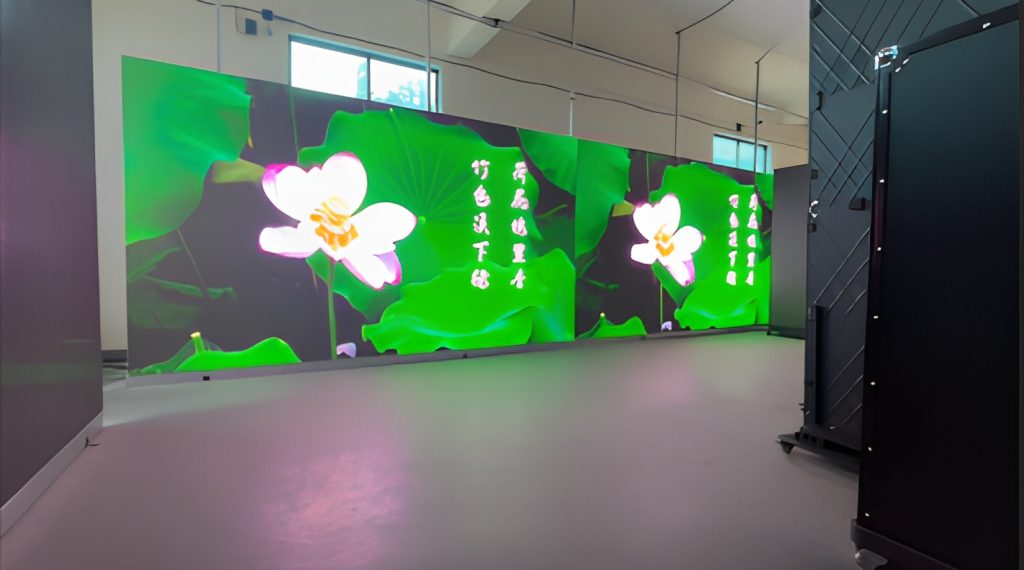
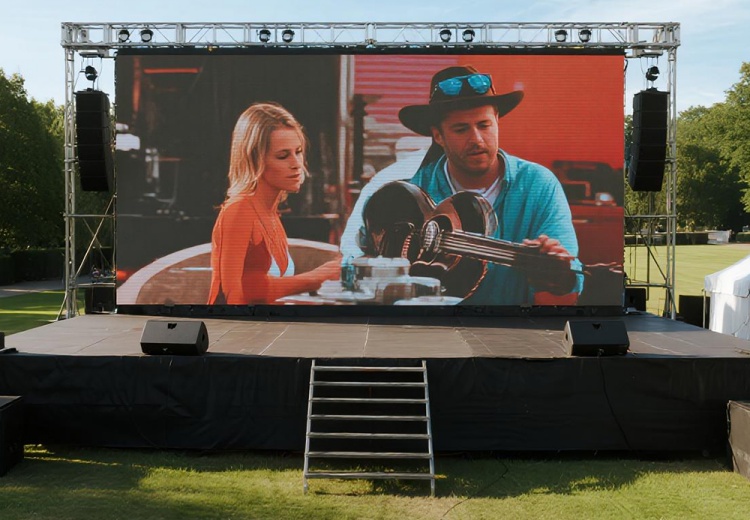
Rental LED displays are designed for frequent installation and transportation.
Important features include:
- Lightweight cabinet design
- Fast installation system
- Quick lock technology
- High refresh rate
- Excellent stability
For concerts, festivals, DJ performances, exhibitions, and live events, rental LED screens with 7680Hz refresh rate provide smooth images suitable for professional cameras and broadcasting.
Indoor LED Display
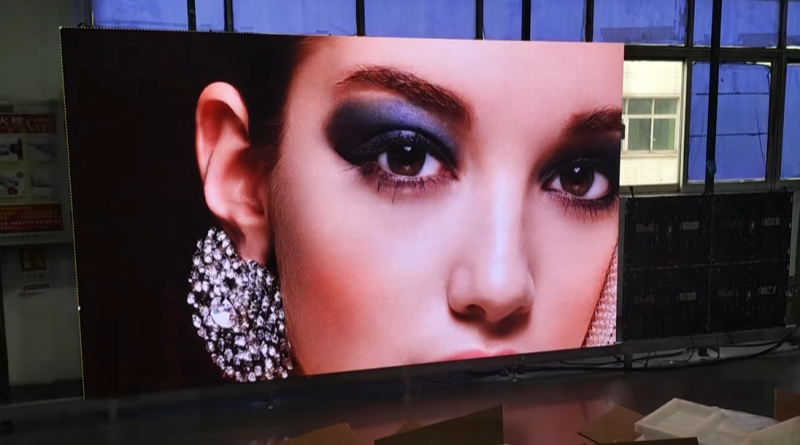
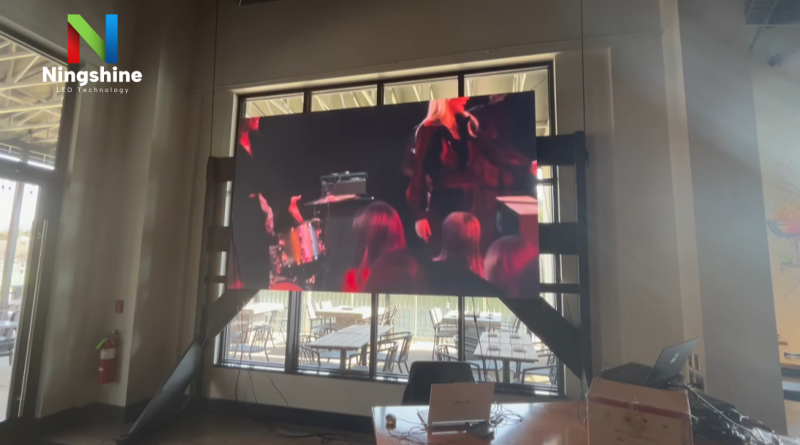
Indoor environments usually require high-definition images, excellent color performance, and comfortable viewing experiences.
Recommended applications:
- Shopping malls
- Retail stores
- Conference rooms
- Control centers
- Churches
- Exhibition halls
- Corporate showrooms
For indoor applications, fine pixel pitch LED displays such as P0.9, P1.25, P1.56, P1.86, and P2.5 are popular choices because they provide:
- High pixel density
- Smooth image quality
- Clear text display
- Wide viewing angles
- Low viewing fatigue
Outdoor LED Display for Advertising and Public Areas
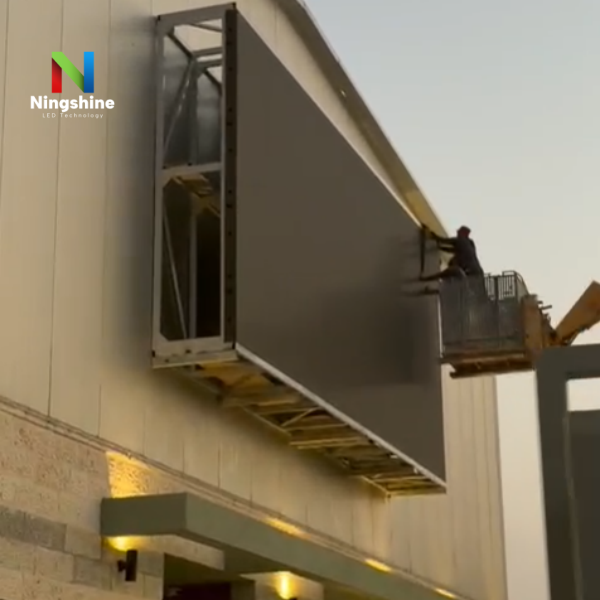
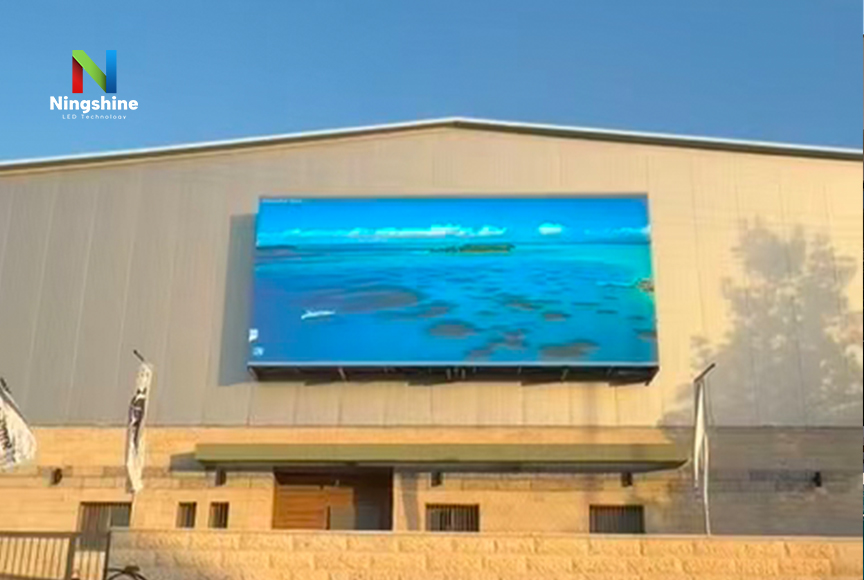
Outdoor LED screens must withstand challenging environments, including sunlight, rain, dust, and temperature changes.
Key features to consider:
- High brightness (5500–10000 nits depending on environment)
- Waterproof and dustproof design
- Strong cabinet structure
- Excellent heat dissipation
- Long operating lifespan
Outdoor LED displays are widely used for:
- Building advertising
- Stadium screens
- Transportation hubs
- Smart city projects
- Outdoor events
Conclusion
Choosing the right LED display screen in 2026 requires careful consideration of application, pixel pitch, brightness, refresh rate, reliability, and supplier capability.
Whether you need an indoor fine pixel pitch LED display, outdoor advertising LED screen, rental LED video wall, COB LED display, or customized commercial LED solution, selecting the right technology partner is the key to achieving long-term success.
A high-quality LED display is not only a digital screen—it is a powerful business communication tool that helps brands attract attention, improve customer experiences, and create lasting value.