
Currently, LED displays are ubiquitous worldwide, appearing in various scenarios, both indoors and outdoors. However, the brightness of indoor and outdoor LED displays differs significantly. Brightness is a core parameter of LED displays, so let’s take a closer look at its properties.
I. Concept
Definition: The brightness of an LED display screen typically depends on the environment; ambient light intensity directly affects brightness. The unit of brightness is usually nits or cd/m², which represents the intensity of the light emitted by the LED display screen.
- The role of brightness
- Indoor screens: Ensure clear content while protecting viewers’ eyesight.
- Outdoor screens: Counteract ambient light (especially sunlight) to ensure clear visibility of content.
II. Indoor LED Displays
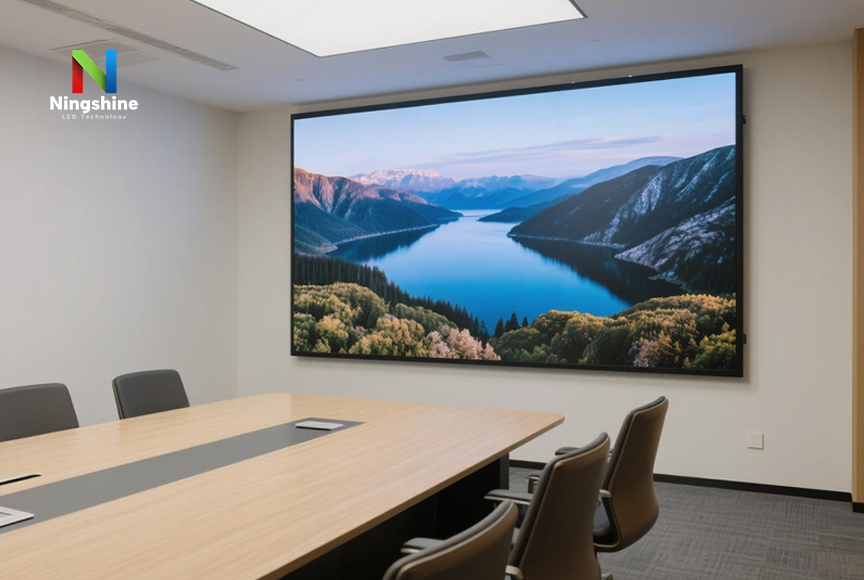
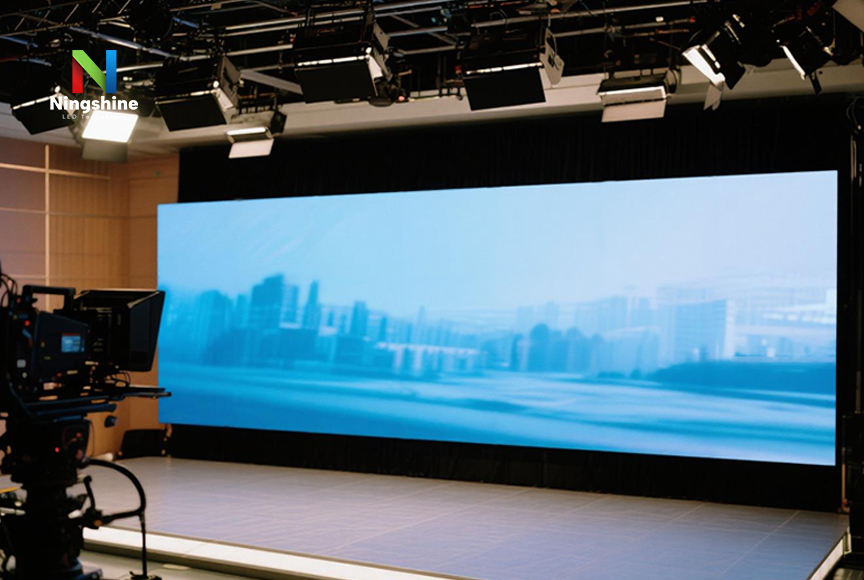
Indoor LED displays typically don’t require very high brightness. This is because indoor lighting is usually dim and ambient light is limited. The brightness range for indoor LED displays is generally 600 nits to 1200 nits, which is sufficient for most environments, but the specific requirements depend on the chosen scenario. For example, cinemas, restaurants, and bars have relatively low brightness requirements.
- Typical Case
- Conference rooms, lecture halls, and exhibition halls: 600 – 800 nits. Lighting in these settings is generally controllable, and the brightness is sufficient for comfortable viewing.
- Shopping malls and retail stores: 800 – 1,200 nits. Because the ambient light is relatively bright, slightly higher brightness ensures clear visibility for viewers.
III. Outdoor LED Displays
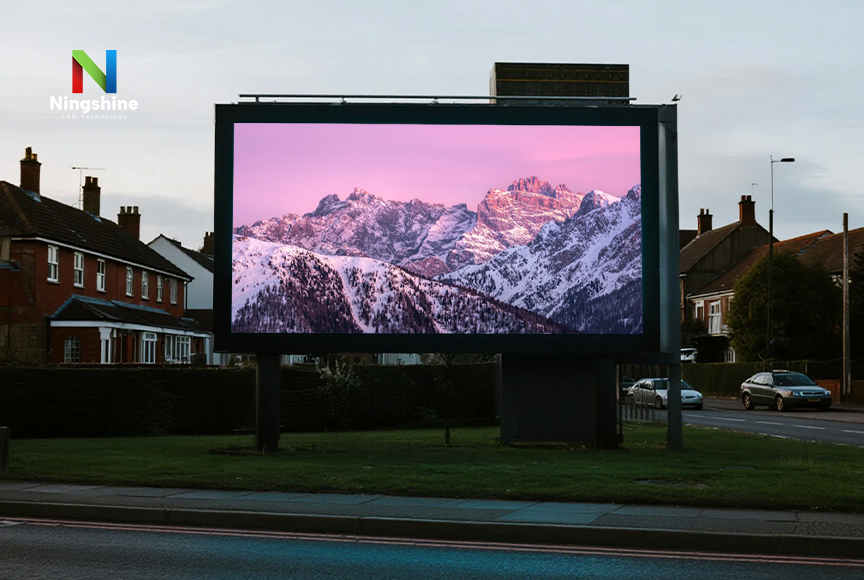
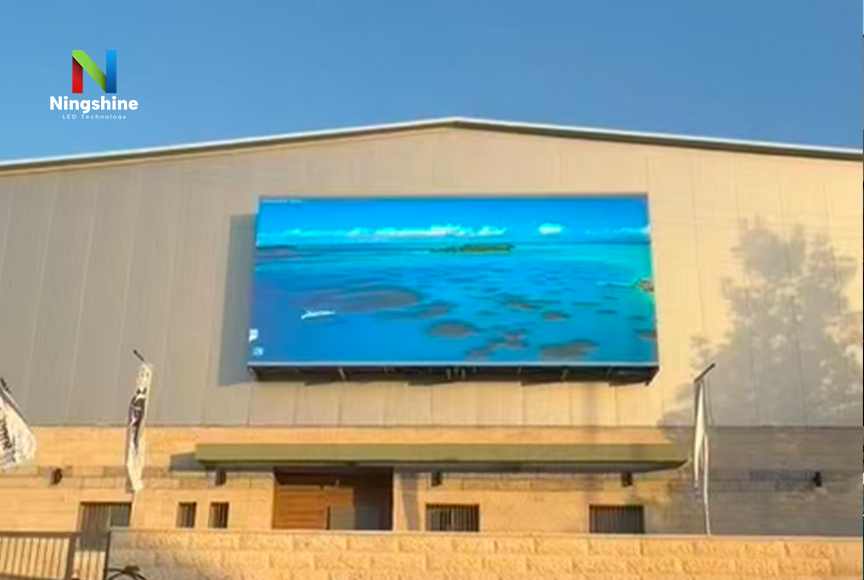
Outdoor LED displays are greatly affected by ambient light, as direct midday sunlight and adverse weather conditions such as wind and rain can all have an impact. Generally, the brightness range for outdoor LED displays is 5500-10000 nits. Too low a brightness makes them difficult to see, while too high a brightness is glaring.
- Typical Case
- Building rooftops and pillar billboards: 6,000 – 10,000nits. These LED displays are generally quite tall and need to withstand strong direct sunlight at midday.
- Shopping mall exteriors and transportation hubs: 5,500 – 8,000nits. Due to high foot traffic, they need to remain clear in various weather conditions and at different times of day.
IV. Summary
- Indoor Screens: Regardless of whether they are rental or fixed installations, refresh rate, grayscale, and resolution should be prioritized for indoor LED screens. A brightness of around 800 nits is sufficient for most scenarios. However, avoid blindly pursuing high brightness.
- Outdoor Screens: High brightness, IP65 protection rating, heat dissipation performance, and reliability are crucial for outdoor LED displays to balance display quality and energy consumption.