
LED displays boast advantages such as high refresh rates, high brightness, and the ability to be spliced, and they have become integrated into our daily lives. For example, rental screens that are easy to install and quick to disassemble can be chosen for temporary events. For long-term indoor installations, front-maintenance indoor fixed screens are available. Outdoor advertising and digital signage can utilize outdoor fixed screens with IP65 and IP66 protection ratings. Furthermore, we offer a variety of LED screens for various applications.
I. Cultural and Entertainment Performances
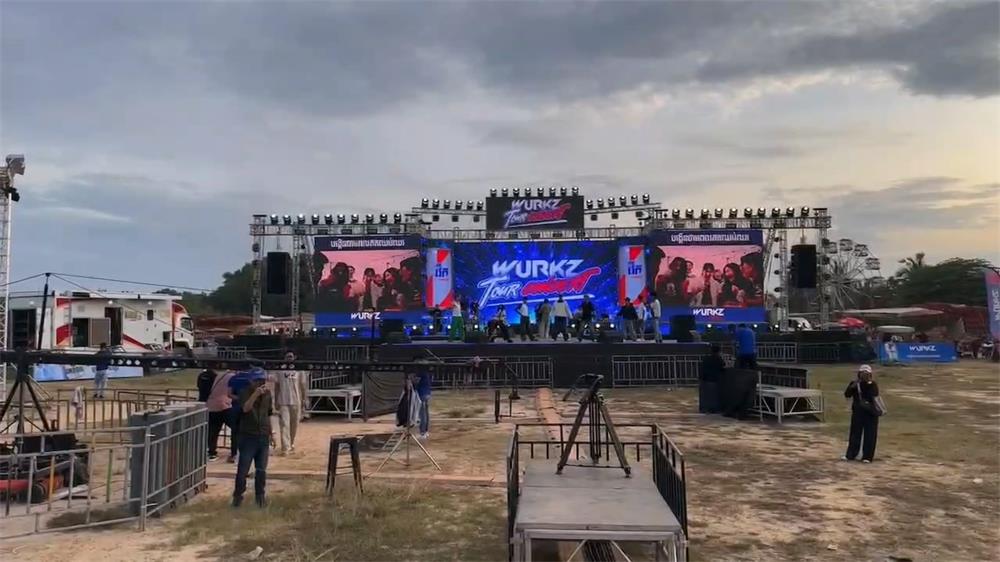
- Stage rental screens (concerts, music festivals, press conferences) are the most commonly used. Common sizes are 500*500mm and 500*1000mm. A single person can easily move them, as they are lightweight. They feature a 7680Hz high refresh rate, avoiding horizontal lines in photos. They also reproduce the performance more vividly and realistically.
- DJ booth LED screen. This type is commonly used in bars, nightclubs, reception areas, performances, and other similar settings. It comes in both foldable and integrated models, and features casters for easy movement.
II. Commercial Advertising LED Displays
Commercial advertising applications mainly include indoor advertising, retail advertising, and outdoor advertising displays.
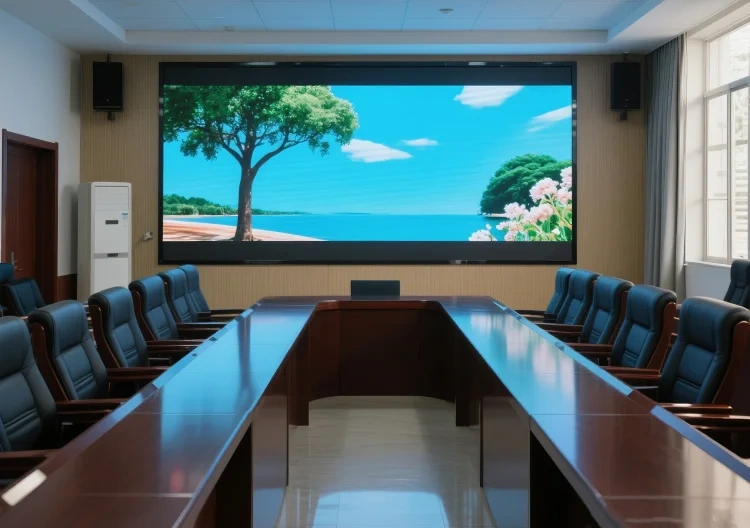
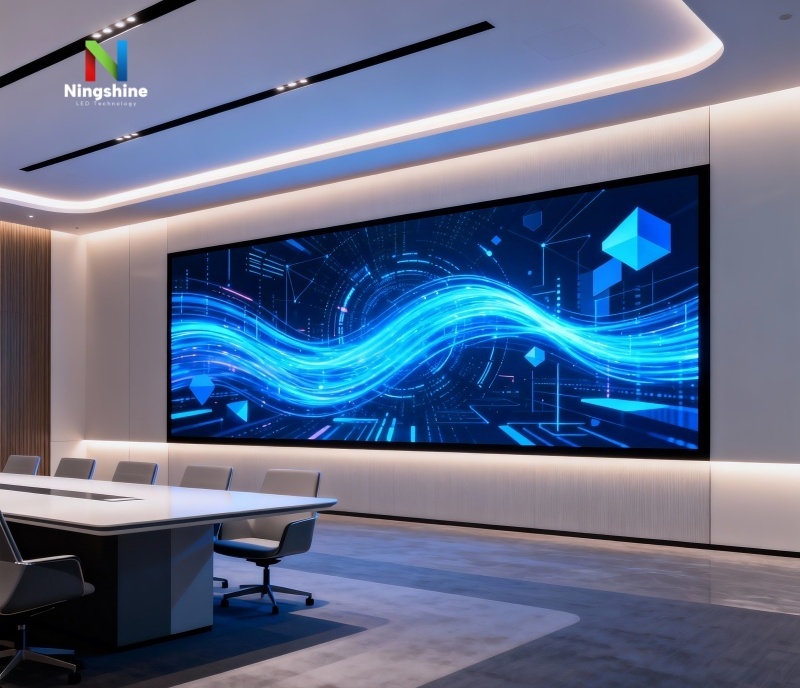
- Indoor advertising commonly uses fixed LED screens with a pixel pitch of P1.25-P2.5. Additionally, there are small-pitch COB screens (P0.6-P1.87), offering a more delicate and high-definition display. Common applications include window posters, product displays, promotional information, shopping guide screens, and conference room screens. These screens not only attract customers but also support dynamic content display, improving conversion rates.
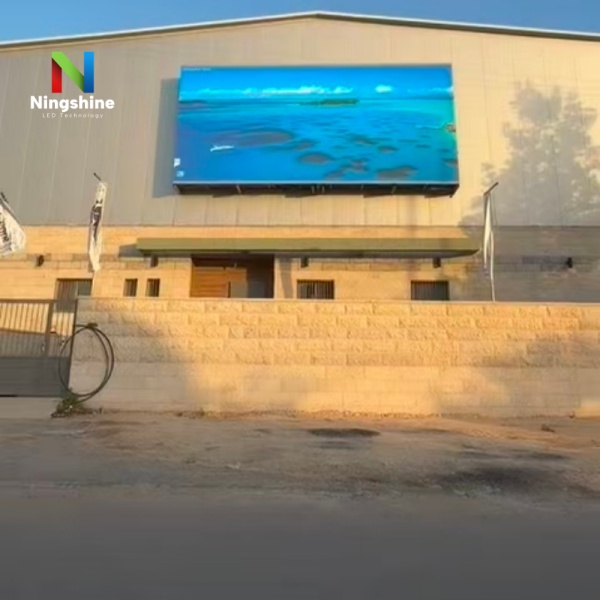
- Common outdoor advertising locations include roadside billboards, shopping mall facades, gas stations, bus stop signs, and rooftop screens. These screens not only maintain clear visibility despite wind and sun exposure but also display continuously without going black. They also offer a wide field of view and withstand strong sunlight in normal weather.
III. Public Sphere LED Displays
Common examples include information screens in communities, schools, hospitals, airports, train stations, and subways, generally used to display real-time information. Indoor pixel pitch options range from P1.2 to P2.5, while outdoor options range from P2.5 to P10, offering low latency, 16-bit grayscale, and high color fidelity. Furthermore, indoor brightness is ≥800 nits, and outdoor brightness is 5500 nits, ensuring clear display even in bright environments.
IV. LED Displays Conclusion
LED displays have numerous applications, including home theaters, stadiums, and shopping malls. However, they can cover almost any visual scenario, such as advertising, retail, stage performances, sports, education, and healthcare. Therefore, when choosing an LED display, appropriate consideration various factors such as application scenario, pixel pitch, brightness, refresh rate, grayscale, and maintenance.
Key information for decision making
- Pixel pitch and resolution (pixel density in full-screen or common splicing sizes)
- Brightness (nits), contrast ratio, and viewing angle
- Refresh rate and grayscale (important for users shooting/live streaming)
- Cabinet dimensions and weight (500×500 / 500×1000 / ultra-thin xx mm)
- Maintenance method (front maintenance / rear maintenance)
- Protection rating (IP) and certifications (CE, RoHS, etc.)
- Power supply and control system (synchronous/asynchronous, supported player/control software)